In the world of modern streaming, almost every IPTV service depends on a powerful and stable iptv server to deliver live channels, movies, and on-demand content across the globe. Many viewers subscribe to IPTV services without understanding what is happening behind the scenes. But for users who want to know how IPTV really works, this article explains the entire ecosystem—from hardware and encoding to bandwidth allocation and content delivery.
This guide not only explains the technology behind a professional iptv server, but also highlights why British IPTV 4K has become one of the best IPTV providers on the market. Thanks to multiple servers, smart routing, anti-freeze systems, and international hosting points, British IPTV 4K ensures viewers always have a stable and buffer-free experience.
What Is an IPTV Server?
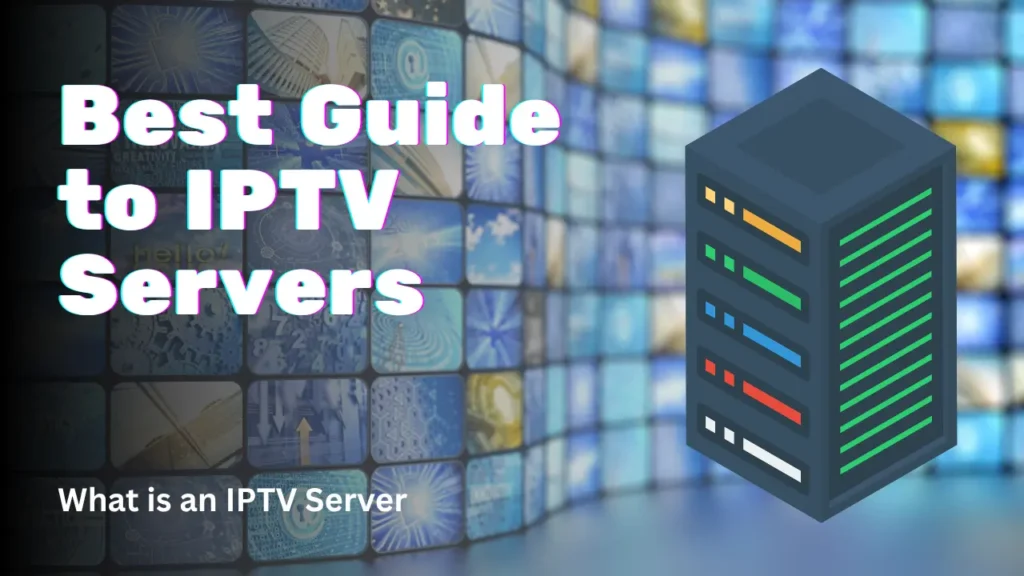
An iptv server is the backbone of an IPTV service. It is a collection of specialized hardware and software systems responsible for receiving television sources, encoding them into digital formats, and transmitting them over the internet to subscriber devices.
While a traditional satellite signal sends the same broadcast to everyone simultaneously, an IPTV system sends customized digital data to each viewer individually. This gives IPTV powerful advantages:
- Personalized access
- On-demand content
- Device flexibility
- Higher compression and quality control
- Multi-region delivery
A professional iptv server must ensure uninterrupted uptime, high video quality, and fast rerouting if one part of the server cluster becomes overloaded.
What Makes Up a Professional IPTV Server?
Hardware Architecture
A complete iptv server environment usually consists of:
- High-performance rack servers
- Multi-core processors
- Hardware transcoding cards (optional)
- Fast SSD or NVMe storage
- Load-balancing hardware
- Enterprise-grade networking electronics
These systems are hosted in data centers with:
- Redundant power
- 24/7 cooling
- Fiber-optic bandwidth connections
- Physical and software security
Companies like British IPTV 4K rely on clusters of powerful servers located in multiple global regions, ensuring no single machine becomes a single point of failure.
Software Components of an IPTV Server
A modern iptv server depends on specialized software:
Middleware
Middleware manages:
- User accounts
- Subscription control
- Channel access
- EPG (Electronic Program Guide)
- Renewals and authentication
Encoder and Transcoder
An IPTV system usually takes raw broadcast streams and compresses them into optimized internet formats such as:
- H.264
- H.265 (HEVC)
- VP8
- MPEG-4
Transcoders adjust:
- Resolution
- Bitrate
- Format
- Frame rate
To match different device capabilities.
Streaming Server Software
This is the core of the iptv server, responsible for:
- Multicast and unicast streaming
- Stream replication
- Network distribution
- Adaptive bitrate handling
- API-based instructions
Many providers use technologies such as:
- FFmpeg
- Xtream UI
- Wowza
- Red5
- Nginx-based streaming engines
Or there are some Servers that use jellyfin Softwares to creat and manage IPTV servers
Content Sources
A real iptv server does not magically produce content; it must receive sources from:
- Satellite feeds
- Cable receivers
- Digital terrestrial splitters
- Sports and pay-TV broadcast links
- Video-on-demand libraries
Each channel is ingested, encoded, and distributed to subscribers in real time, and most of the good servers has multiple sources, and one of them is mentioned in our blog here.
How Does an IPTV Server Work?

Step 1: Source Acquisition
The server captures raw video feeds from local tuners, satellite dishes, or official broadcast links.
Step 2: Encoding
The incoming content is converted into digital formats suitable for:
- Smart TVs
- Android TV
- Firestick
- MAG boxes
- Smartphones
- Computers
Step 3: Packetization and Compression
The iptv server optimizes streams using codecs that balance:
- Quality
- Bandwidth
- Device compatibility
Step 4: Distribution
The server sends streams to users via:
- HTTP
- RTMP
- UDP
- RTP
- HLS (most modern)
HLS (HTTP Live Streaming) is the most stable and flexible, especially for mobile and Firestick users.
Step 5: Playback
Players like:
- IPTV Smarters
- TiviMate
- Smart IPTV
- GSE IPTV
- Web players
Connect to the iptv server via:
- Xtream Codes
- M3U playlist
- Portal URL
Users then receive individual streams in real time.
Types of IPTV Servers
Different IPTV providers use different hosting architectures.
Single-Server Setup
Budget IPTV providers often operate a single overloaded machine. Problems include:
- Bottlenecks
- Buffering during sports events
- Downtime during peak hours
- No failover protection
Multi-Server Load-Balanced System (Best Practice)
Premium providers like British IPTV 4K use:
- Multiple redundant servers
- Smart routing
- Automatic traffic balancing
- Multi-location fallback options
This ensures:
- Faster load times
- Zero single point of failure
- Higher uptime
- Reliable sports and 4K streaming
Why a Good IPTV Server Matters
A subscriber’s experience depends entirely on the performance of the iptv server. A weak server causes:
- Buffering
- Channel outages
- Delayed audio
- Screen freezes
- Pixelation
But a professional-grade IPTV infrastructure delivers:
- 24/7 uptime
- Smooth quality
- Real HD and 4K streaming
- Fast channel switching
- Secure authentication
This is why understanding server quality is more important than simply comparing channel counts.
IPTV Server Performance Factors
Bandwidth Allocation
A provider must calculate:
Total bandwidth = users × average stream bitrate
Example:
- 10,000 users × 4 Mbps stream = 40 Gbps needed
If the data center doesn’t supply this bandwidth, the service will crash during peak viewing.
Codec Efficiency
H.265 (HEVC) can cut bandwidth needs by half compared to H.264, allowing:
- More users
- Better video quality
- Lower lag
CDN Distribution
Some large IPTV providers use:
- CDN nodes
- Distributed edges
- Geo-routing
This improves stability in different regions.
Why British IPTV 4K Has Superior IPTV Servers
British IPTV 4K invests in a premium server infrastructure designed for stability and performance.
Multiple IPTV Servers (No Single Failure Point)
Many IPTV providers rely on one iptv server, meaning:
- If it crashes, everyone crashes
- If the load spikes, streaming suffers
British IPTV 4K uses:
- Multiple parallel servers
- Load balancing
- Automatic fallback routing
If one server has issues, the system instantly switches users to another without downtime.
Anti-Freeze Technology
Stream packets are:
- Monitored
- Corrected
- Rerouted
To prevent buffering, especially during big football matches or live pay-per-view events.
Global Coverage
British IPTV 4K hosts servers in multiple continents including:
- Europe
- UK
- North America
- Middle East
This ensures low latency and fast delivery regardless of location.
Scalable Architecture
If demand increases, British IPTV 4K can:
- Add new streaming nodes
- Expand memory and bandwidth
- Launch additional CDNs
This level of scalability is only possible with enterprise-grade iptv server systems.
IPTV Server vs. IPTV Player
Many new users confuse the two.
| Item | IPTV Server | IPTV Player |
|---|---|---|
| Purpose | Hosts and delivers streams | Displays streams on device |
| Examples | Apache, Xtream UI, HLS servers | TiviMate, IPTV Smarters |
| Role | Back-end system | Front-end app |
| Owned by Provider | Yes | Sometimes third-party |
The iptv server is the brain; the player is just the screen.
Security Measures Used in IPTV Servers
A reliable IPTV provider must implement:
User Authentication
To prevent illegal account sharing.
IP Filtering
Blocks hacking, flooding, and unauthorized access.
Encryption
Protects user sessions.
Firewall Policies
Stopping:
- DDoS attacks
- Port scans
- Intrusions
British IPTV 4K uses multi-layer security to keep servers stable 24/7.
IPTV Server Protocol Breakdown
Common streaming protocols:
| Protocol | Strengths | Weaknesses |
|---|---|---|
| HLS | Stable and universal | Slight delay |
| RTMP | Low latency | Becoming outdated |
| RTP | Broadcasting efficiency | Complex setup |
| HTTP | Fast distribution | Not always adaptive |
HLS is now standard for Smart TVs, Android, iOS, and Firestick users.
Real User Experience – What Customers Feel
Good IPTV Server Experience
- Instant channel switching
- No lag
- Crystal 4K picture
- Smooth live events
- Fast VOD loading
Bad IPTV Server Experience
- Audio delay
- Constant buffering
- Channel freezing
- Black-screen errors
- Slow loading times
Most complaints online about IPTV services originate from poor server capacity—not the app or device.
Why Buying IPTV From British IPTV 4K Is a Smart Choice
British IPTV 4K delivers:
- Multi-server architecture
- 40,000+ live and on-demand titles
- Premium 4K streaming
- Global server distribution
- 24/7 human support
Instead of one iptv server, subscribers benefit from an entire network designed for:
- Reliability
- Speed
- Massive concurrency
- Long-term durability
If a user ever experiences performance drops on one server, they are instantly moved to another—no downtime, no stress.
Frequently Asked Questions About IPTV Servers
What is an IPTV server?
It is the system that hosts, processes, and streams content to users’ devices.
Why does IPTV sometimes buffer?
Usually because of weak server bandwidth or overloaded hosting—not user error.
What makes a premium IPTV provider?
Multiple servers, proper load balancing, fast routing, and strong support, as seen with British IPTV 4K.
Should beginners understand server details?
Not required—but knowing how it works helps buyers avoid low-quality services.
Can one IPTV server support thousands of users?
Yes, if professionally configured with the right hardware, software, and bandwidth.
Final Verdict – Understanding IPTV Servers Matters
An iptv server is the heart of every IPTV platform. Without stable servers, even the most feature-rich subscription cannot deliver a good experience. Cheap IPTV providers often fail because they use a single weak server that collapses during peak demand.
British IPTV 4K solves this problem with:
- Multi-server deployment
- Anti-freeze technology
- International distribution
- High-speed data centers
- Real customer support
That is why British IPTV 4K remains a leading premium IPTV provider for users who value stability, clarity, and professional infrastructure.